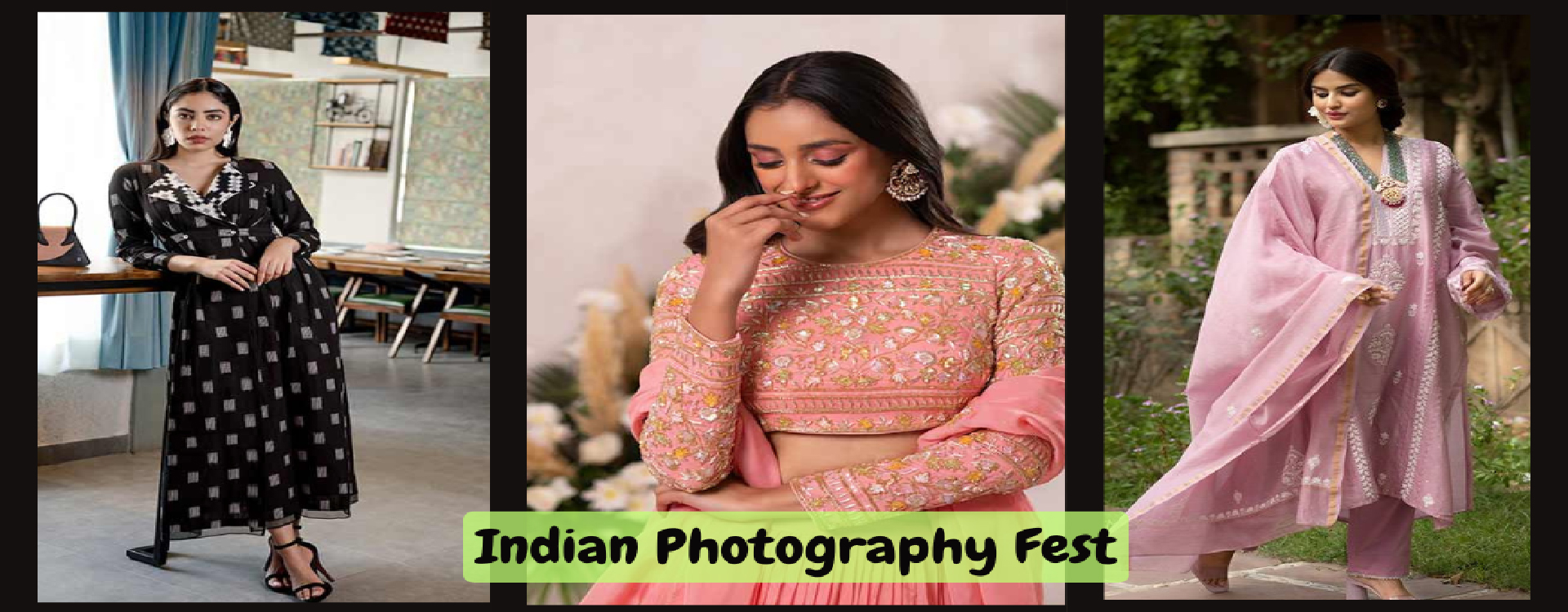
India is a land of colors, contrasts and stories. From the chaotic streets of Chandni Chowk to the serene backwaters of Kerala, the country’s every corner is a living canvas. And what better way to do so than with an Indian Photography Fest? Photography festivals, held annually in multiple states and cities, make room for both the pros as well as amateurs and hobbyists along with all those interested in showcasing skills of digital marathoning like never before. They are a platform for talents, inspiration and possibility to network and be noticed.
In this long post, we will examine how many such photography fests are there in India, when they generally take place, who can participate and why you should go on one straight from my personal experience.
How Many Photography Festivals Are There in India?
India has dozens of photography festival at national and regional levels. Some are internationally renowned, others more specialized and community-supported.
Popular Photography Festivals in India
JaipurPhoto Festival (Jaipur, Rajasthan)
An international photography shoot festival held in the open air in Jaipur. It intermixes with heritage sites and strong, modern photography.
Delhi Photo Festival (New Delhi)
One of the most popular fests is fashion photography in delhi, India for people from all over. It includes exhibitions, talks, and portfolio reviews completed.
Chennai Photo Biennale (Chennai, Tamil Nadu)
Centered on contemporary photography, it blends Indian photographers with international masters, adding a cosmopolitan twist.
Hyderabad International Photo Festival (Hyderabad, Telangana)
A partnership between local art collectives and worldwide photography communities.
Serendipity Arts Festival (Goa)
While multidisciplinary, photography has a solid foothold here, in installations, galleries and interactive programs.
Kochi-Muziris Biennale (Kerala)
A not-photography-focused fair but does photography-based exhibitions alongside art and culture.
In addition to these, scores of local photo competitions, university fests and city-based photography clubs hold their own fest. Combined with a handful of nice websites that list Indian photography contests, one can say there are 20–30 important festivals in India every year, and hundreds of tiny local photo exhibitions.
When Do Photography Fests Usually Take Place?
Photography festivals come linked with season, weather and tourism in India.
Winter (November-February): The peak season for festivals like Jaipur Photoshoot, Serendipity Arts and Delhi Photo Festival. Nice weather promotes open-air exhibits and street photo walks.
Summer (March–May): Comparatively less events on account of the heat, but Workshops and online fests are widespread.
Monsoon (June – September): Few cultural festivals host photography competitions on rains, nature and travel.
Fall (October): This is pre-festival season in India, and many competitions accept applications during this period.
So if you are going to visit, November to February is the ideal time during which India photography’s most prominent names spring into action.
Who Can Participate in Indian Photography Fests?
The great thing about these festivals is they are accessible to everybody. Whether you’re a professional photographer with decades of experience or a college student who recently purchased your first DSLR, there is a spot for you.
Categories of Participants:
Professional Photographers – Presenting projects, hosting workshops or participating in award competitions.
Amateurs & Hobbyists – Entering Contests, Joining Lectures.
Students — Many fests include student categories for budding talent.
Travelers & Bloggers – You can also participate in photo walks or exhibitions to take part, even if photography is not your profession.
General public – As a visitor, you’ll be able to view exhibitions, chat with artists, and purchase prints.
Most fests require online registration. Some are free, but others offer contests, workshops, or passes for a small fee.
Why You Should Join an Indian Photography Fest
A race like that isn’t just about competition; it’s about growth, exposure, and culture.
1. Exposure to Diverse Styles
You’ll find everything from street photography in India to fine-art portraits, documentary images to abstract experiments.
2. Networking with Experts
These fests are attended by the more famous working photographers, curators and editors. It is a great opportunity to make contact with professionals.
3. Learning Opportunities
Through workshops, lectures and portfolio reviews, students receive the kind of information that is often difficult to come by elsewhere.
4. Cultural Immersion
Photography is about seeing stories. When you go to a fest, in Jaipur or Kochi for example, you are not just looking at photographs; you are immersed in the culture of these places.
5. Recognition & Awards
Through a win or even just getting shortlisted in a respected fest, you can find your career exponentially boosted.
6. Inspiration Boost
~ There are times when the very act of walking through an exhibition can reignite your own creative blood.
Process: How to Participate
It is typically straightforward to participate in a photography fest in India.
Step 1: Stay Updated
Keep your eye on official sites, photography clubs and social media for notifications.
Step 2: Registration
Complete an online form with your information. Categories such as portrait, wildlife, street, travel or fine-art photography.
Step 3: Submission of Work
Post your photos online or post them if needed. Both competitions have size, resolution and theme requirements.
Step 4: Payment (if applicable)
The entry fees can be anything between ₹500 and ₹3000 for various categories.
Step 5: Shortlisting & Exhibition
If your work is chosen, it will be featured either at the venue or in an online gallery.
My Personal Experience at an Indian Photography Fest
I visited the Delhi Photo Festival at the Indira Gandhi National Centre for the Arts last year. I showed up with just a touristy attitude, but it was the weekend that changed my life.
Arrival & Atmosphere
The place was packed with people – students with cameras slung around their necks, professionals debating about frames and sheer passerbys who were just in to appreciate art. Colorprints filled the air with the scent of coffee, books, and fresh prints.
Exhibitions
The range of categories among the finalist photos included hard-hitting documentary series on climate change and minimalist black and white portraits. One gallery had one on “Street Photography in Old Delhi” that was so alive I could hear the traffic.
Workshops
I went to a travel photography class in India taught by a National Geographic contributor. His advice on framing, storytelling, and remaining respectful of the local culture while filming was invaluable.
Interactions
The most uplifting thing was meeting of like-minded individuals. I swapped Instagram handles with young photographers from Chennai and Kolkata, and we still keep in touch.
Takeaway
The thing that really hit me was how inclusive it was all. There were no judgments about whether you had the most recent camera or only a smartphone. It wasn’t about the picture you took. I returned not only with photos but also with memories, lessons and new friends.